
The history we build on.
2026 marks 150 years since the telephone was patented. Barr Tell joined the story in 1998, after the Telecommunications Act opened local service to competition.
How the network was built.
Barr Tell connects to a network that took 150 years to build, from Bell’s first patent to today’s IP interconnection.
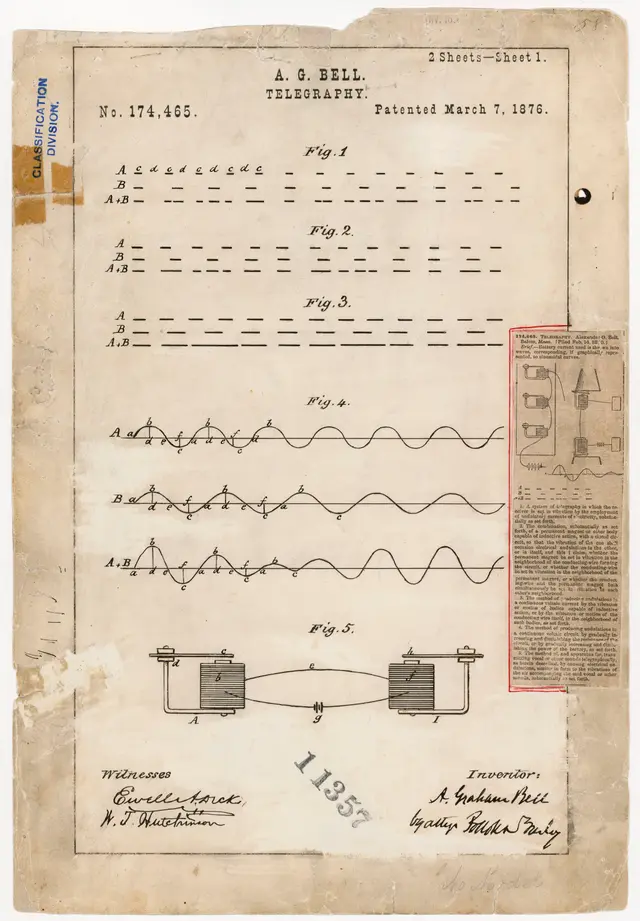
1876 The telephone is patented
Alexander Graham Bell’s patent for “Improvements in Telegraphy” is granted on March 7, 1876.
U.S. National Archives
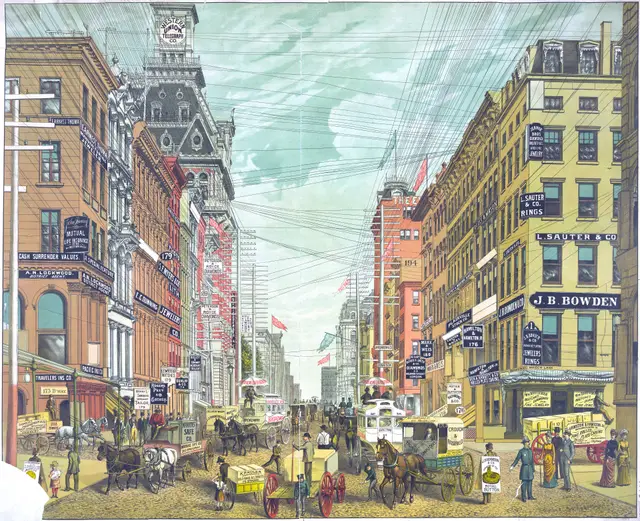
c. 1885 Wires over Broadway
Telephone and telegraph lines crowd the poles above lower Broadway, in the years before New York moved its wires underground.
Library of Congress
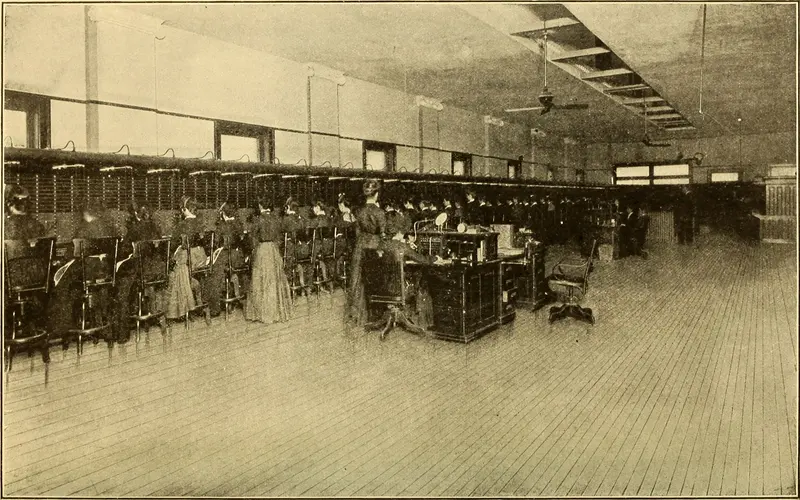
1905 The central office
In every city, operators at long switchboards connect each call by hand.
Library of Congress
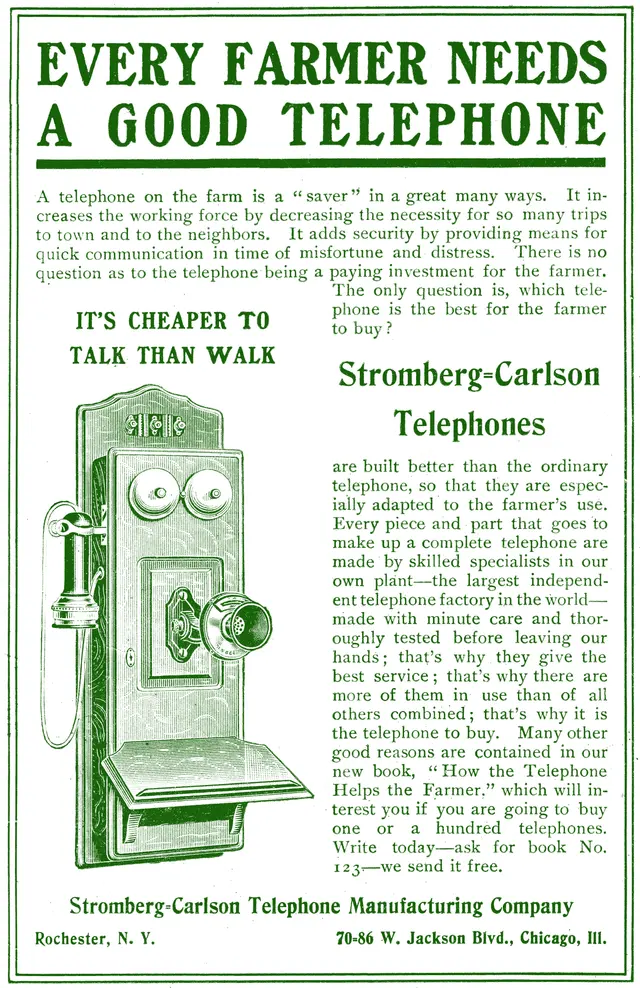
1905 A telephone for every farm
Rochester’s Stromberg-Carlson tells rural New York it is “cheaper to talk than walk.”
Stromberg-Carlson, 1905
Eight generations of the telephone.
From the hand-cranked wall set to the IP phone on today’s desk.
- 1880sMagneto wall telephoneTurn the crank to ring the operator; twin bells ring when someone calls you.
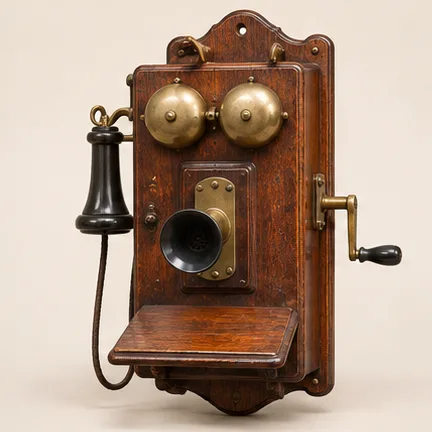
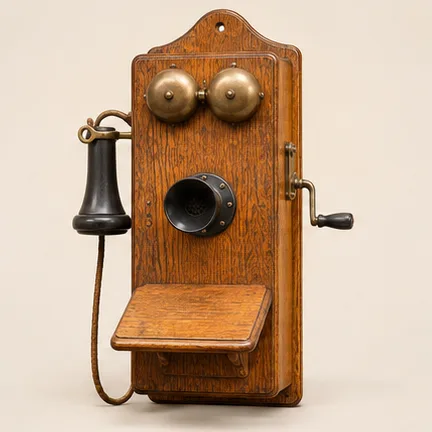
- 1905Oak wall telephoneWooden wall sets bring the network to farms and small towns.
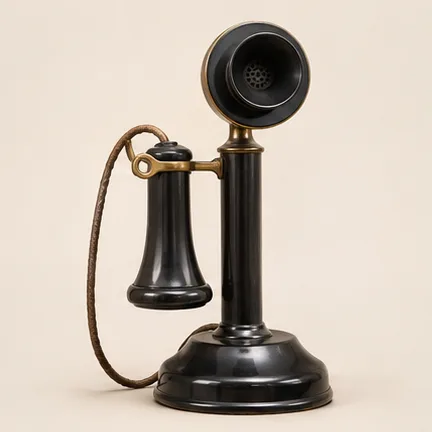
- 1919Candlestick telephoneAn upright mouthpiece and separate earpiece. That year the Bell System begins converting to dial service.
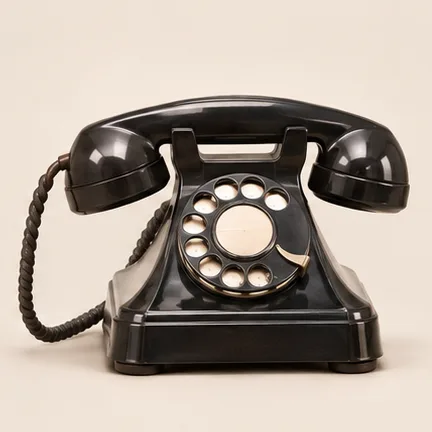
- 1937Bakelite desk telephoneMouthpiece and earpiece join in one handset on a sturdy desk set.
- 1949Rotary desk telephoneThe rounded rotary classic that sat in American homes for decades.
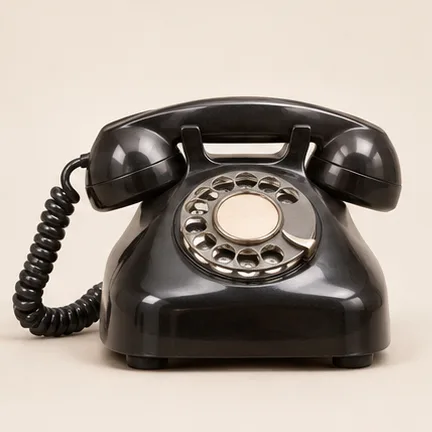
- 1963Push-button telephonePush-button tone dialing begins to replace the rotary dial.
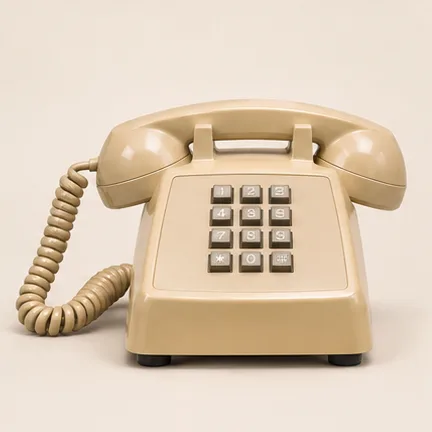
- 1983The first mobile phoneCommercial cellular service launches in the United States.
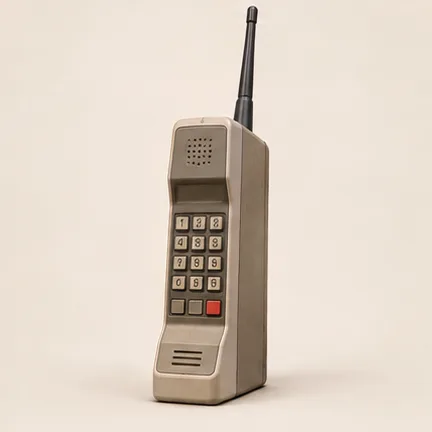
- TodayIP video phoneCalls travel as data over IP networks, with numbering, porting and STIR/SHAKEN behind every one. That is where Barr Tell works.Yealink T88V Pro (product photo via Telebroad)
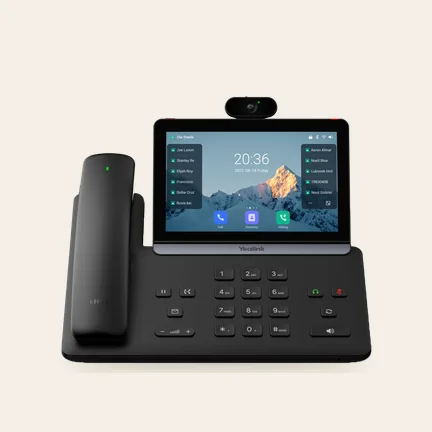
Telephones from the 1880s to 1983 are illustrations; today’s is a product photo.
Local service opens to competition
The Telecommunications Act of 1996 lets competitive carriers offer local phone service. Barr Tell is incorporated in New York two years later.
Archive images are in the public domain (Library of Congress, U.S. National Archives).
From 1998: Barr Tell’s own record
Certificates, milestones and the jurisdictions we serve today.